#01
Environmental Impact We Can No Longer Ignore
According to the Global Fashion Agenda, around 92 million tons of textile waste are generated globally each year. This means that every second, a truckload of fabric is sent to landfills or incineration. Meanwhile, less than 1% of textile materials worldwide are recycled in a closed loop, leaving vast amounts of valuable resources at the end of their lifecycle.
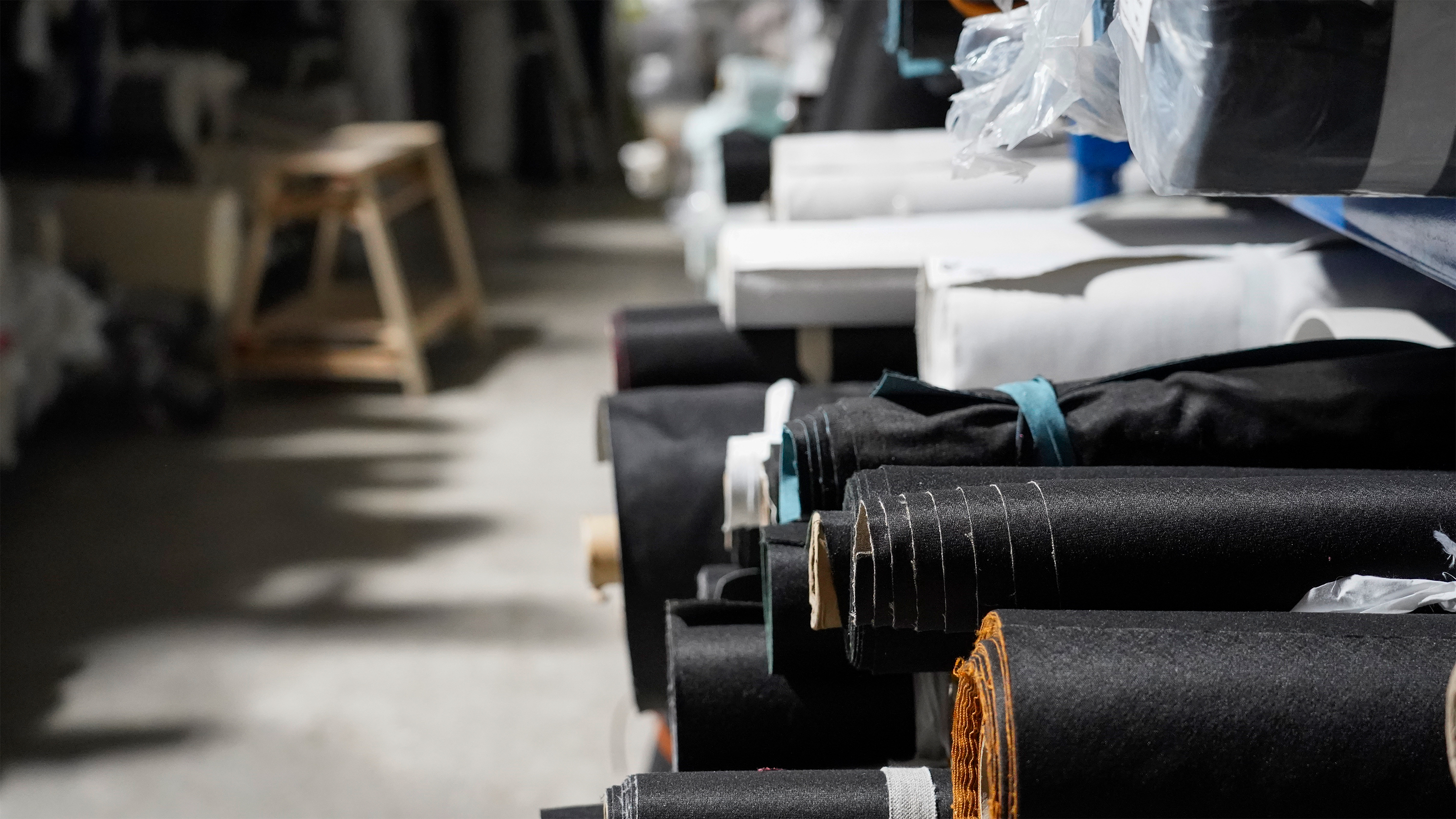
In furniture manufacturing, leftover leather and fabric from cutting processes face a similar fate due to size and specification limitations. Guided by ESG principles and a zero-waste mindset, GRADO refuses to treat these high-quality materials as unavoidable loss. Instead, we seek a second life for them through structured, closed-loop resource management.

Image Source: Reverse Resources
#02
Turning Loss into Value
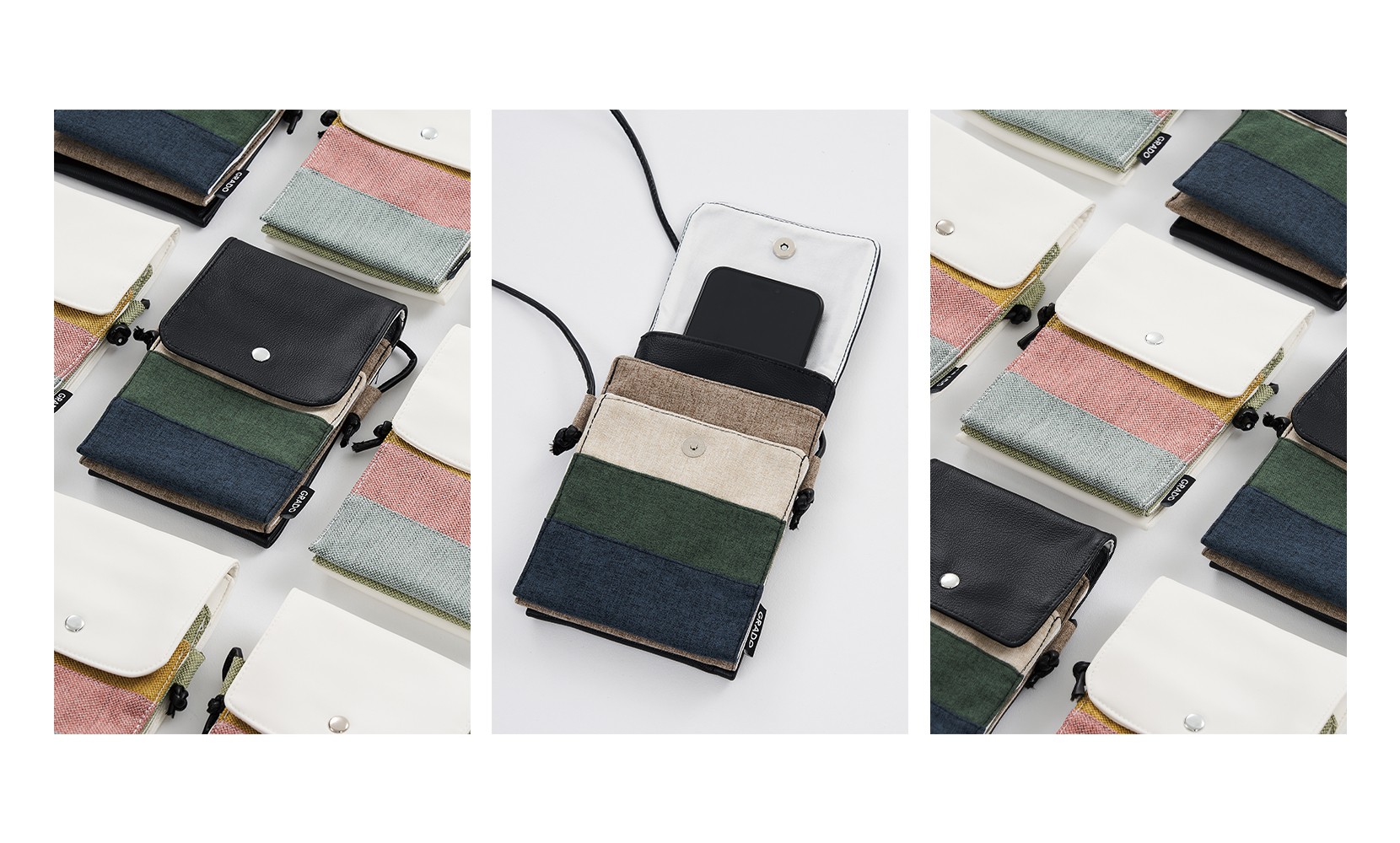
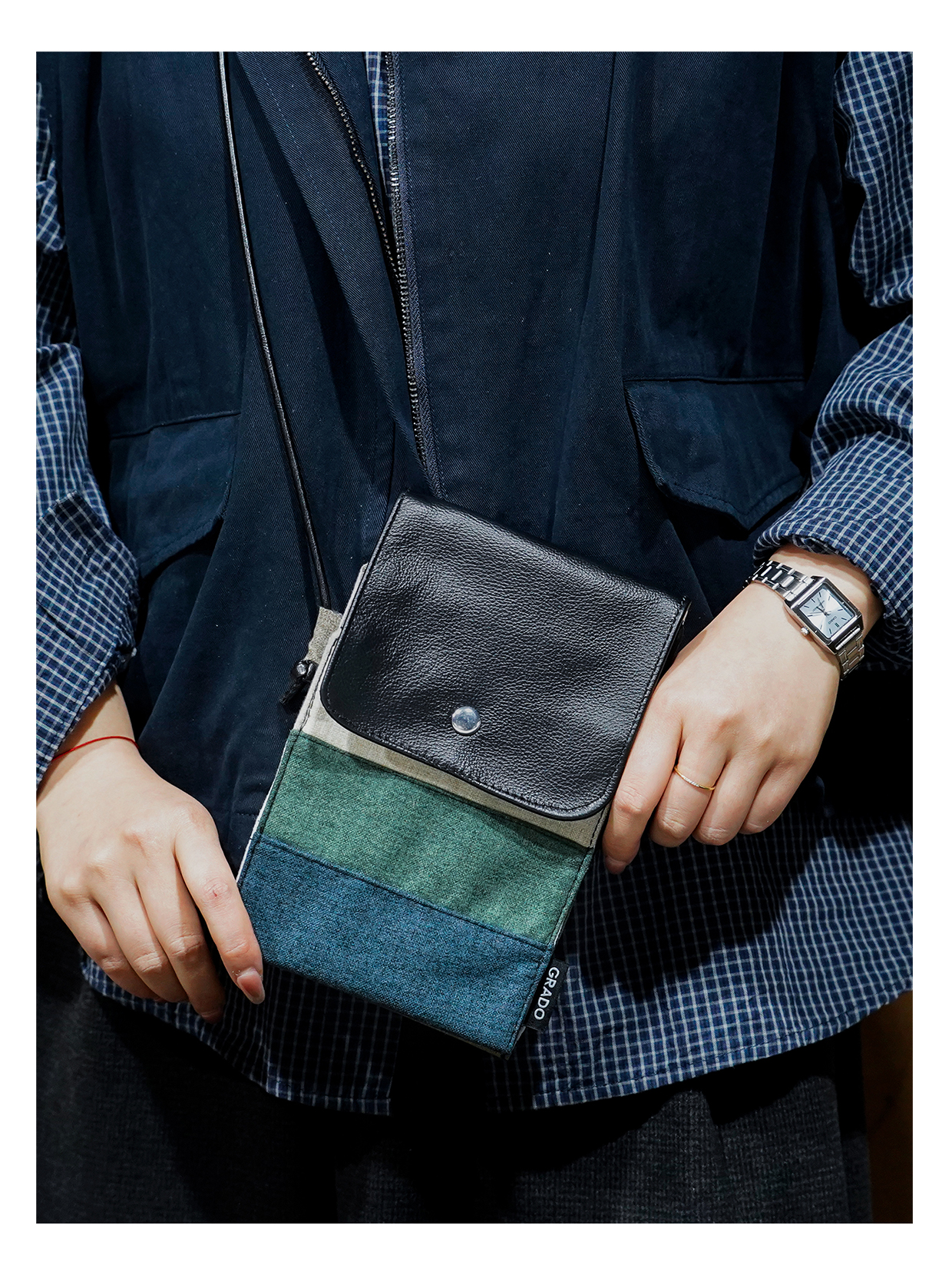
We launched the Rematerialization Program, transforming production offcuts into portable phone pouches designed for everyday use. Each material piece undergoes strict quality screening to ensure durability and stability, while designers rework dimensions, structures, and color combinations based on the original form of the leftover materials.
Because material sizes are inherently unpredictable, every pouch is constructed through modular patchwork techniques. This non-standardized approach maximizes material utilization. Every stitch, completed by hand, reflects not only craftsmanship, but also a conscious resistance to large-scale industrial waste. The resulting patchwork aesthetic gives each piece its own character — no two are exactl
#03
Building a Long-Term Circular System
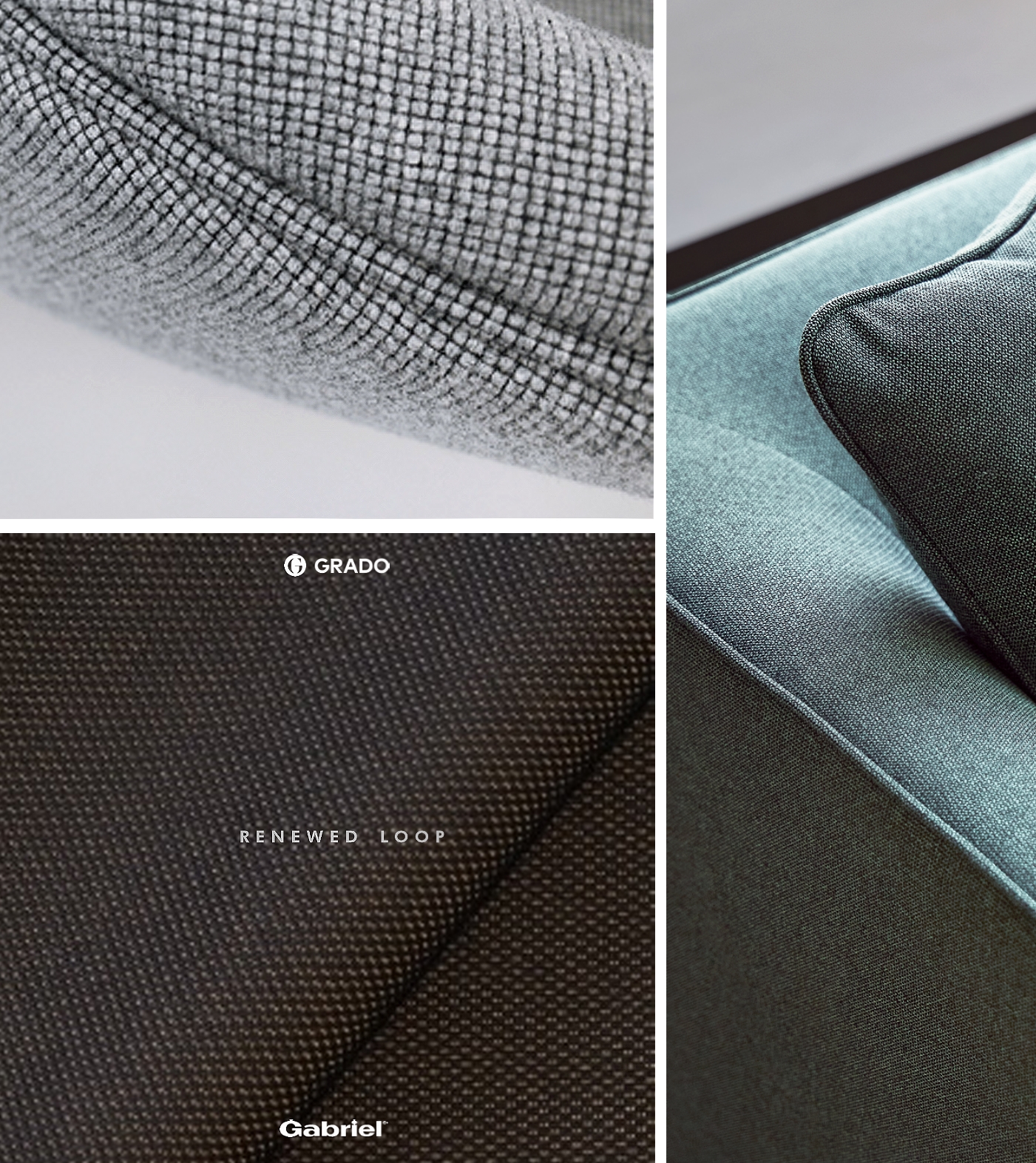
In the summer of 2024, GRADO introduced one of Gabriel’s first recyclable fabrics into our best-selling Matt Sofa — the Renewed Loop fabric. Rather than following conventional disposal or incineration paths, this system transforms waste into new products. It is built on a recycling process that tracks and collects textile waste from both manufacturing and post-consumer use, including cutting scraps and offcuts.
At Gabriel’s global waste collection center in Spain, the waste is first shredded into fragments, then melted into recycled polyester pellets. These are blended with pellets made from recycled plastic bottles to ensure sufficient yarn strength and elasticity. The regenerated fibers are dyed black to maintain color consistency, forming a fully circular black yarn. Subtle variations between dark and light fibers create a layered visual texture, adding depth and richness to the fabric surface.
Transforming materials that might otherwise be discarded into functional everyday items is a direct expression of GRADO’s commitment to sustainable development and ESG principles.
We continue to reduce waste at the source through more precise resource planning and responsible production strategies, lowering the environmental footprint behind every product. Making full use of every possible material also means fewer resources sent to landfills and fewer hidden carbon emissions — a deeper respect for the value of what we take from nature.
Designers Introduction